Webinar
Who Looks After the Boss?
Leadership quality matters. It shapes culture, collaboration, decision-making and the ability of organisations to navigate uncertainty and change.
Event Type
Webinar
Date
27. August 2026
Time
09:00 - 10:00 CET
Location
Online
Language
English
Global Event
This event is a global EGN event
Speaker
Leadership quality matters. It shapes culture, collaboration, decision-making and the ability of organisations to navigate uncertainty and change.
But what shapes leadership quality?
For too long, the well-being and working environment of leaders have been treated as a private matter rather than a strategic organisational concern. Yet leaders are expected to create direction, handle complexity, support others and make sound decisions under increasing pressure. They are also expected to contribute to a healthy safety culture and working environment for others. And when leaders lose energy, clarity or confidence over time, organisations lose capacity.
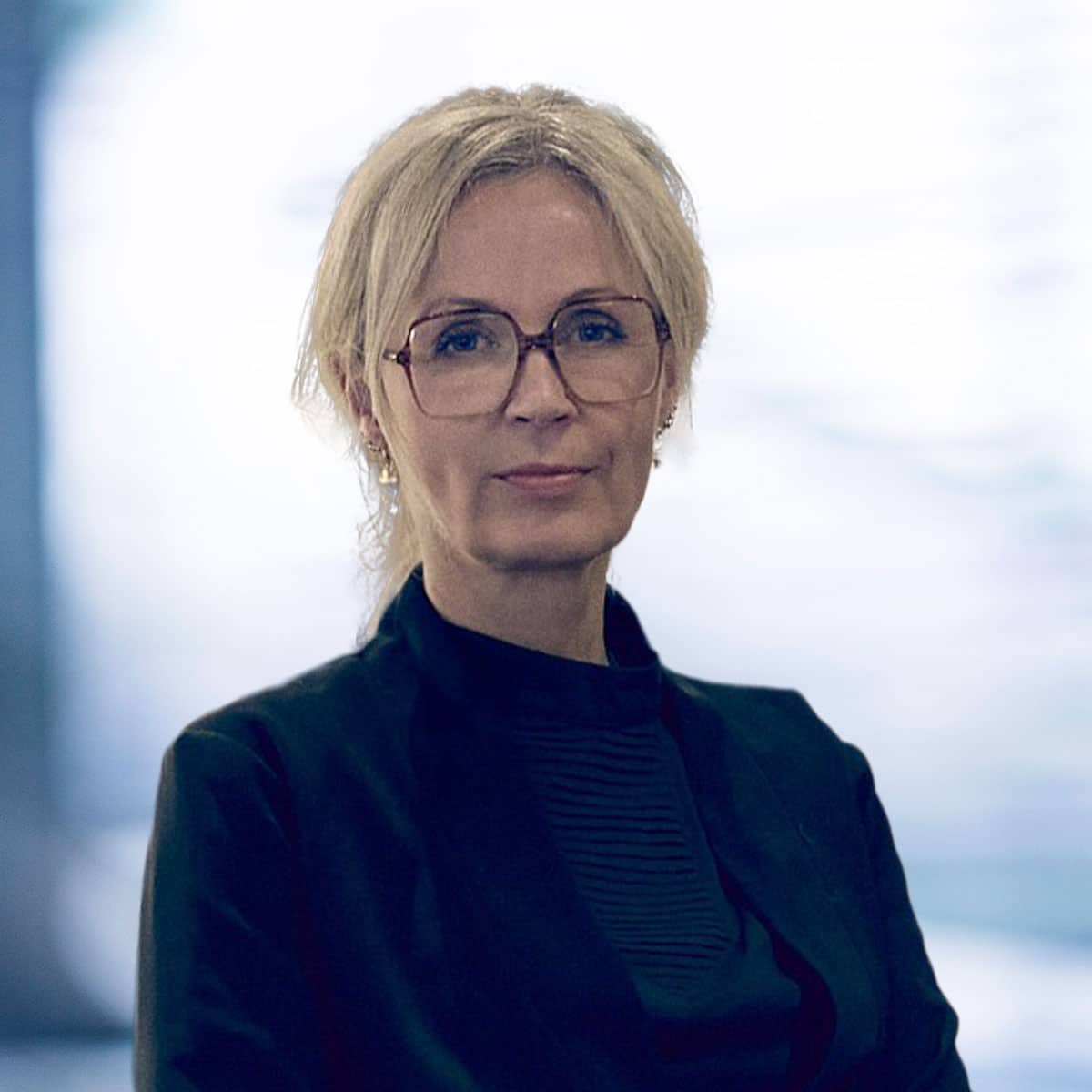
Join the EGN Global webinar on 27 August from 9:00–10:00 AM CET and meet business psychologist and co-author of the bestselling bookWho Looks After the Boss?, Lill Palmblad.
In this webinar, Lill Palmblad explores one of the most overlooked drivers of organisational success: leadership well-being.
Drawing on international research, Scandinavian work environment traditions and years of experience working with leaders and organisations, Lill will share perspectives on:
- Why leadership can be understood as a high-risk work environment
- What energises, strains and protects leaders
- How leadership well-being influences leadership quality, decision-making and organisational capacity
- Why leadership well-being is not only a personal issue, but a shared organisational responsibility
Perhaps most importantly, this webinar challenges the idea that leadership well-being is ‘just’ a welfare issue. It is, of course – but leadership well-being is also – and very much – a capacity issue. When leaders are supported, connected and equipped to handle pressure and complexity, organisations become better able to make good decisions, maintain direction and navigate uncertainty.
Join us for an inspiring and thought-provoking conversation about leadership and the conditions that help leaders bring their best to the role.
Let’s talk about leadership well-being!
Continue the conversation
Keep the conversation going in our Members' Universe, where you can access event handouts, revisit webinar recordings, and connect with other members for ongoing insights and discussions.
Join the DiscussionAbout the Speaker
Lill Palmblad
Speaker & Author, EGN
Lill Palmblad is a business psychologist and certified occupational health and safety advisor. She is Director and Partner at Palmblad Inspire and Better Worklife, and in 2024 co-authored the book... Read more