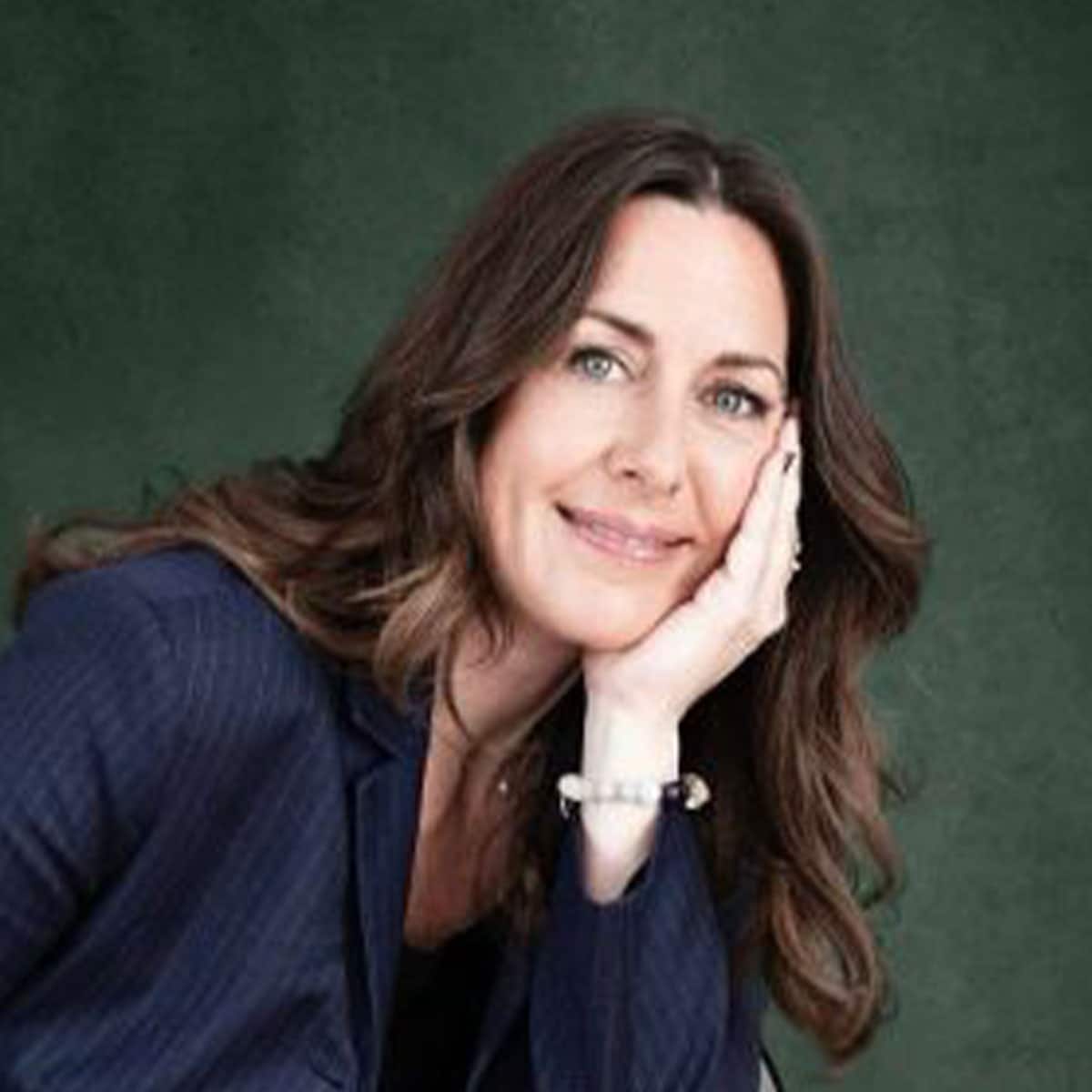
“The future of leadership is WE,” Anne-Marie Finch explains, “but to create that future, leaders must first master themselves. If we cannot lead ourselves, we cannot lead others.”
From “Me” to “We”: Conscious leadership for lasting impact
Self-Mastery: The foundation of WE-leadership
At the heart of self-mastery lies responsibility for fundamental human needs: sleep, movement, nutrition, mental recovery, hydration, and intentional energy renewal. These basics are often the first casualties of high-pressure leadership. Neglecting them comes at a high cost.
“Many leaders become powerful without being power-filled,” Anne-Marie notes. Authority comes with the role, but without consciously generated inner energy, leaders risk operating from depletion rather than wholeness.
Depleted leaders don’t just struggle individually – they affect everyone around them. They may unconsciously drain energy from their teams, creating cultures of fear, conformity, and stagnation. Power-filled leaders, by contrast, generate conscious influence, building WE-cultures that expand collective strength rather than ME-cultures focused on fitting in.
Belongingness vs. Fitting in
A core principle in Finch’s philosophy is belongingness – which she distinguishes sharply from merely fitting in.
“Fitting in forces people to downsize their talent and potential,” she says. “It dims their light, hides parts of themselves, and demands constant adaptation.” Over time, this erodes confidence, wellbeing, and emotional resilience, turning work into survival rather than fulfillment.
Belongingness, on the other hand, is enabling. It allows people to bring their full selves: strengths, perspectives, ideas and connect them meaningfully with others. When people feel seen and valued, psychological safety rises, trust deepens, and speaking up becomes natural.
“Belongingness fuels high-performance cultures,” Anne-Marie emphasizes. “Where contribution is meaningful, collaboration is effortless, and collective capability becomes a true competitive advantage.”
Turning diversity of thought into real advantage
Many organizations talk about diversity of thought, but few truly leverage it. Anne-Marie observes a common blind spot: different talents operate with fundamentally different cognitive approaches.
“Under pressure, fact-driven thinkers become more analytical and detail-oriented,” she explains. “Holistic creatives move toward big-picture pattern recognition and strategic synthesis.”
When these approaches compete rather than connect, friction arises – often escalating into conflict over “what is right.” Conscious leaders recognize that both modes are essential. Innovation emerges when analytical depth meets holistic vision.
This requires intentional leadership choices, particularly in hiring and promotion, to avoid bias toward one dominant thinking style. “True diversity of thought is not just representation,” Anne-Marie says. “It’s intentional integration – enabling different cognitive strengths to work together in synergy.”
Scaling WE-power in practice
In her book Collective Superpowers, Anne-Marie Finch explores how to scale WE-power without sacrificing clarity, accountability, or results. Power-filled, conscious leadership is visible in everyday interactions – especially meetings.
She describes environments where both vocal and quieter participants are equally engaged. The vocal speak to connect, not dominate. The quieter contributes through presence, listening, and insight. The room allows seriousness and humor, frustration and creativity. People feel safe expressing both ideas and emotions.
Crucially, the energy doesn’t end when the meeting ends. “People leave energized rather than depleted”. They continue reflecting, connecting insights, and collaborating – not because they must, but because they feel empowered.
Leaders are responsible for creating these conditions – the psychological and cultural “room.” Yet everyone shares responsibility for the energy within it. When collective power grows, results, accountability, and innovation follow – not despite WE-leadership, but because of it.